

Direct answer
For a first visit, the easiest way to enjoy eating in China is to mix familiar choices with regional dishes, order for the table, and explain any firm dietary needs before food is prepared. A little context from a local host can make menus, portions, and dining customs feel much more welcoming.
Who this applies to
First-time visitors who want to explore local food while managing unfamiliar menus, spice levels, allergies, or different dining habits.
Prepare in this order
- Share allergies and non-negotiable restrictions in advance.
- Keep a clear written translation of essential dietary needs.
- Ask about regional specialties and how dishes are served.
- Order a balanced mix rather than only one unfamiliar dish.
- Carry familiar snacks when timing or choice may be limited.
Fallback
If a restaurant cannot clearly understand or meet an essential restriction, choose a simpler dish or another venue instead of relying on assumptions.
What HISIGHTS can and cannot do
HISIGHTS can communicate stated preferences and suggest suitable dining arrangements, but cannot guarantee an allergen-free kitchen or control every ingredient and preparation surface.
Food is one of the deepest ways to understand China. Every region has its own cuisine, its own ingredients, its own relationship with spice and texture. For first-time visitors, the food scene can feel overwhelming — but with a little guidance, it becomes one of the most memorable parts of the journey.
The note in brief
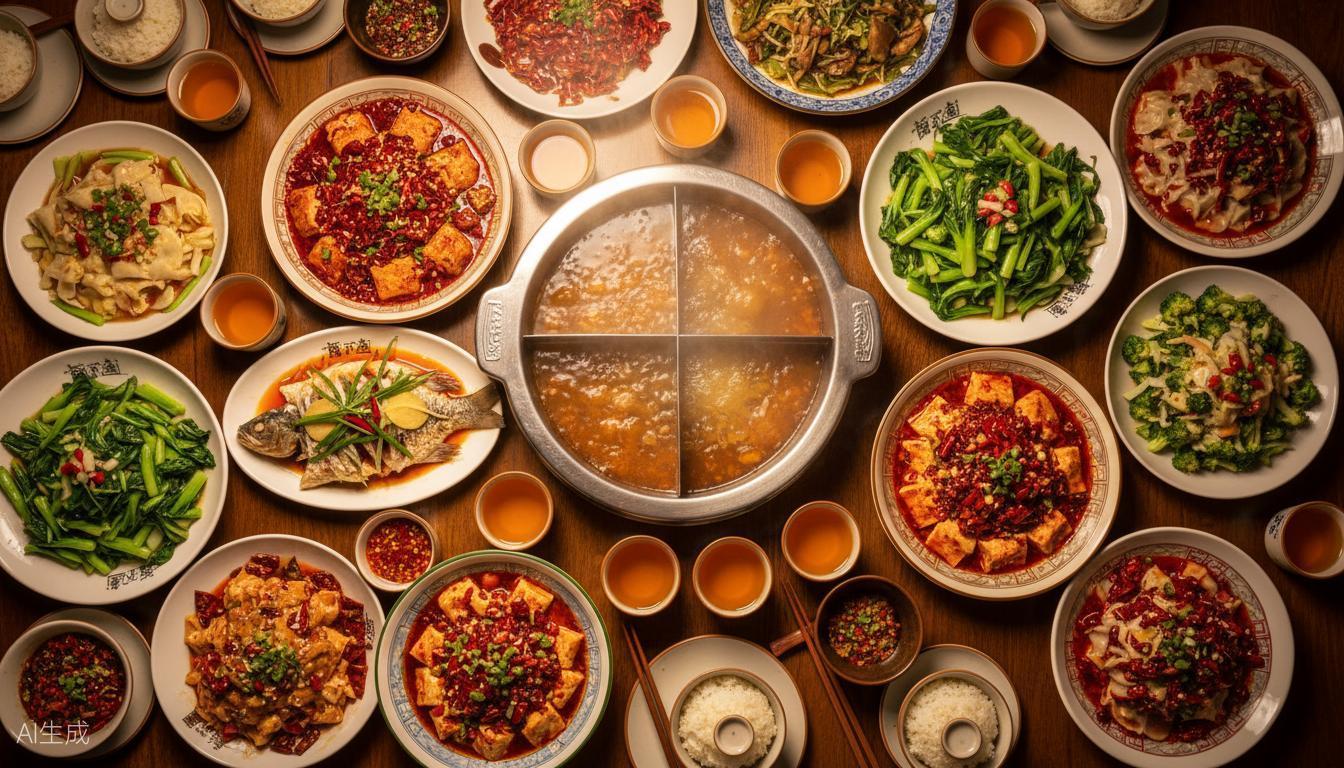
Chinese cuisine is extraordinarily diverse. Sichuan food is bold and spicy. Cantonese cuisine is refined and subtle. Northern food is hearty and wheat-based. Eating in China is typically family-style — shared dishes at a round table — which creates a natural sense of conviviality. Tea houses, street food, and local markets add texture to the culinary experience.
Why it matters
Food is culture in China. A meal is not just sustenance — it is a social ritual, a regional identity, and a point of pride. Travelers who engage with Chinese food at every level — from street snacks to imperial cuisine — leave with a deeper understanding of the country than those who stick to hotel restaurants.
Official sources
- Guide to Working and Living in China (2025)The State Council of the People’s Republic of China