

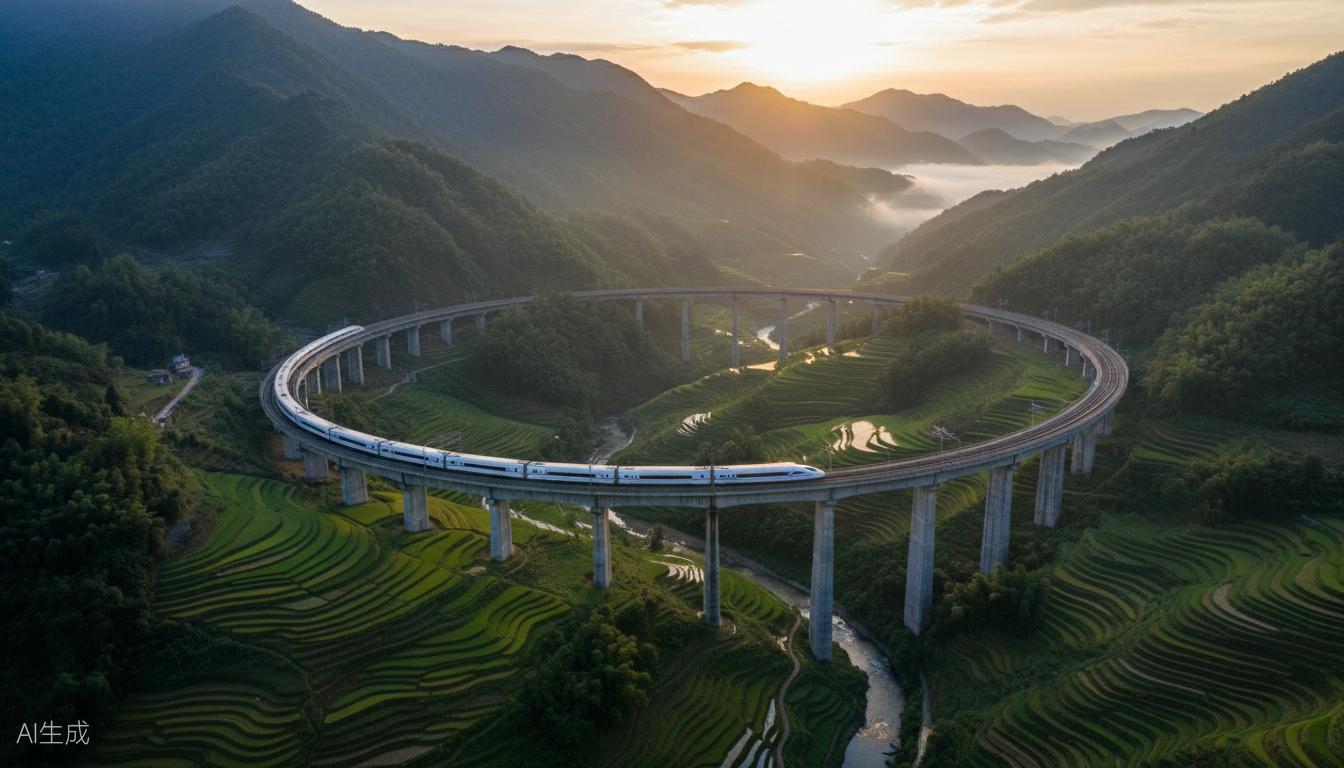
Direct answer
Choose between train and flight one journey at a time. High-speed rail often suits well-connected city pairs because stations can be closer to the center; flights become more practical across longer distances or where rail would consume too much of the day. The best route may combine both.
Who this applies to
Travelers planning a multi-city China itinerary and comparing total travel time, comfort, luggage, and route flow.
Prepare in this order
- Compare door-to-door time rather than timetable duration alone.
- Check the exact airport or station at both ends.
- Consider luggage, mobility, children, and transfer complexity.
- Protect important connections with realistic buffers.
- Recheck schedules and ticket conditions before confirmation.
Fallback
If the preferred departure is unavailable or creates a fragile connection, change the time, reverse the route, or use the alternative mode before adding another city.
What HISIGHTS can and cannot do
HISIGHTS can compare and coordinate the sectors confirmed in your itinerary. Timetables, ticket availability, delays, and operator rules remain outside our control.
A Beijing–Xi’an–Shanghai route is compared sector by sector
We do not apply one transport rule to an entire itinerary. Beijing to Xi’an often deserves a rail comparison because both cities are well connected; Xi’an to Shanghai may require a fresh comparison of the actual train, flight, hotel, and transfer times available on the travel date.
- Use door-to-door time, not the advertised train or flight duration, as the first comparison.
- Protect the most important day in the itinerary from a fragile or overly tight connection.
- If neither option creates a comfortable day, change the departure time or simplify the route before adding another stop.
Every multi-city China journey requires a transport strategy. The choice between trains, flights, and private transfers depends on distance, timing, traveler preferences, and the kind of experience we want to create. This note explains how we make those decisions.
The note in brief
For distances under 800 km, high-speed trains are usually best. For 800–1,500 km, the choice depends on timing and traveler preference. Over 1,500 km, flights make sense. Private transfers fill gaps — airport pickups, travel days with multiple stops, and remote regions without train service.
Why it matters
Transport is not just logistics. It shapes the rhythm and feel of a journey. A train ride through changing landscapes creates a sense of connection between places. A flight saves time but removes the transition. The right mix creates a journey that flows.
Official sources
- China Railway: Tickets and real-name travel for foreign passengersChina Railway 12306